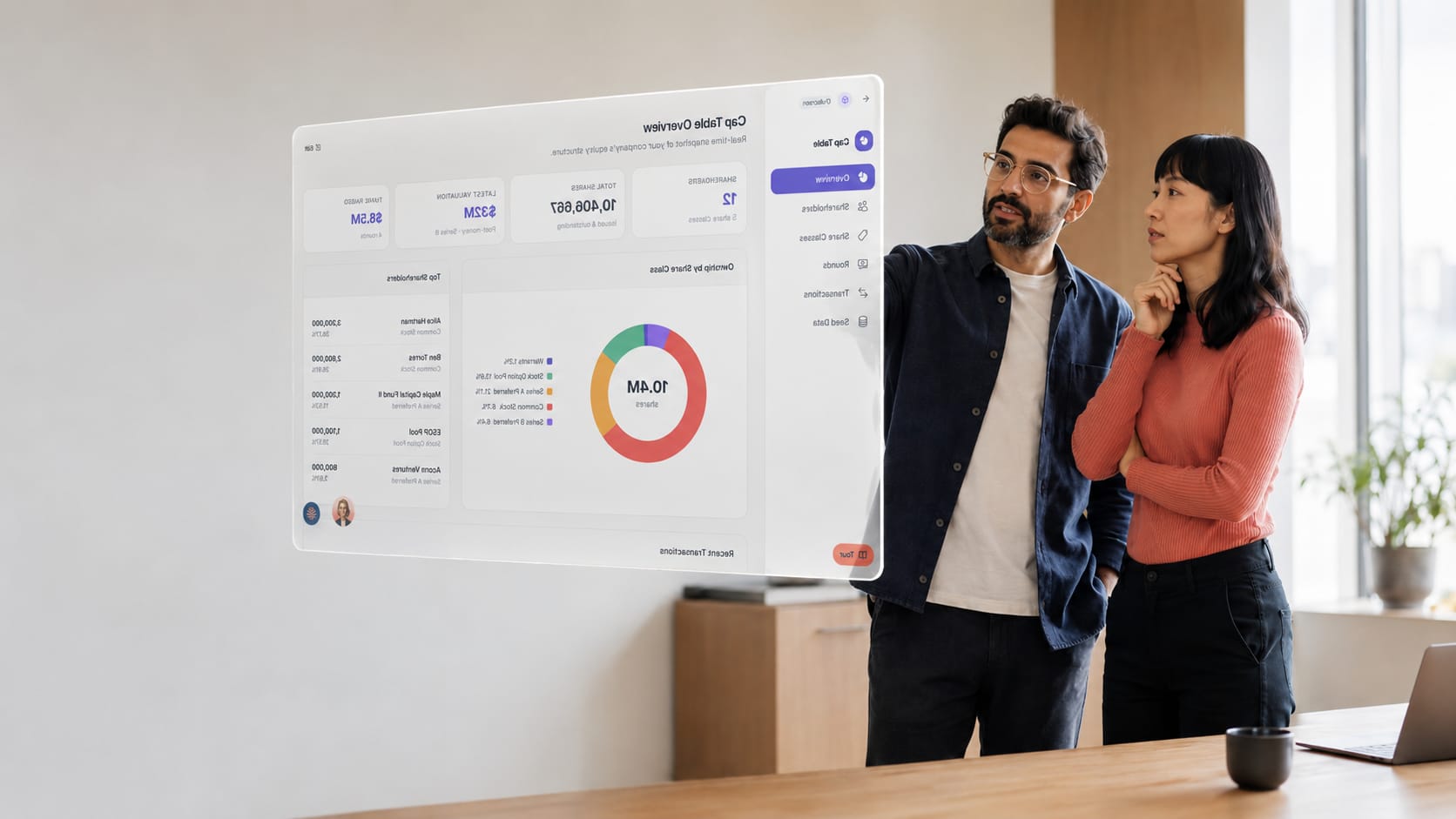


Agents work inside workflows
Every agent has an objective, defined inputs and outputs, and scoped tools, and it acts only within the process it belongs to.
Security
Mogno is a governed AI Operating System. Every app, agent, workflow, and integration runs under one model of tenant isolation, permissions, human approvals, encrypted credentials, and audit. So the business moves fast, while IT keeps control of data, security, and what goes live.
Built for security review: tenant isolation, role-based access, encrypted secrets, sandboxed code, human approvals, and full audit.
Governance
Ungoverned AI creates real exposure: actions with no approval, credentials in the wrong place, and code no one reviewed. Mogno closes that gap by making the controls the architecture. Apps, agents, workflows, data, and integrations share the same tenant model, permissions, and audit from the first app, so nothing reaches production outside of it.
On by default
AI governance
Mogno agents are governed participants in a process, not a chat on the side. They propose, summarize, extract, compare, and prepare, and governance decides what each one is allowed to run on its own.
Every agent has an objective, defined inputs and outputs, and scoped tools, and it acts only within the process it belongs to.
Approving a payment, a contract, or a write to a system of record always pauses for a named human, by policy.
Each agent reaches only the tables, files, and systems it is granted, and nothing beyond that grant.
Every action an agent takes is logged with its context and result, so any decision can be reviewed after the fact.
Enterprise readiness
The questions your security, data, and infrastructure teams bring to any vendor, answered up front: how data is protected, what happens when something fails, how incidents are handled, and how integrations stay contained.
How governance is set up
Workspaces and environments, roles and permissions, credential and data policies, and authorized integrations are configured first.
Security reviews permissions, approvals, and what each app and agent can access, then signs off before anything is published.
The workflow reaches production with logging, approvals, and observability active from the first run.
Audit trails, runbooks, and answers to your security questionnaire support review, and the same model carries to the next workflow.
FAQ
Each customer runs in its own tenant, with relational data in dedicated schemas and the tenant always sourced from the server session, so one customer's data never crosses into another's.
Through the platform, under the same controls as everything else. Agents see only the data their grants allow, credentials stay out of the model context, and every model call is traced, with usage and token cost visible to IT.
Credentials are encrypted at rest and resolved on the server at run time. They are never placed in the agent's context or in app code, and visibility is limited per workspace.
Custom code is checked against dangerous patterns before it is saved and runs in an isolated sandbox, and generated apps are blocked from common injection patterns at build time.
No lock-in. Your apps and data stay yours to export, and you are not tied to one cloud's identity or model stack.
Yes. We support your security questionnaire and can share an architecture packet and runbooks during evaluation, alongside a pilot with agreed data boundaries and success criteria.
Mogno runs on enterprise cloud infrastructure, and the data boundaries and residency for your workspace are agreed before the pilot, so you know where your data sits.
No. Mogno orchestrates AI inside your workflows, it does not train models on your data.
Get started
See how Mogno runs apps, agents, and workflows under one governed model, with the tenant isolation, approvals, and audit your security team needs, in a live walkthrough.